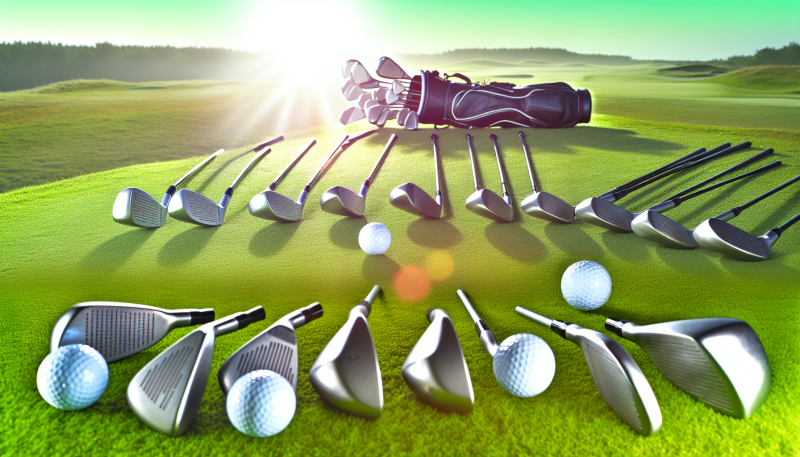
Getting your first set of golf clubs can feel overwhelming, but it doesn’t have to be. Let’s break it down. As a beginner, you don’t need a full set with all the fancy bells and whistles. Instead, focus on the essentials that will help you learn and enjoy the game.
Start with a few key clubs: a driver, a putter, and a couple of irons. The driver’s long shaft helps you hit the ball further off the tee, which is super important for starting strong on each hole. A good putter is critical, too, since you’ll use it on the greens to sink those crucial shots. Irons, especially 7 and 9, are versatile and great for learning how to control your shots.
When it comes to choosing the right clubs, try to find options that feel comfortable. Many stores let you test them out, so take advantage of that! Pay attention to how the clubs feel in your hands. It’s all about finding the weight and grip that work for you.
Consider whether you want steel or graphite shafts. Graphite is lighter and offers more flex, which can help you swing faster. Steel is heavier but offers more control. For beginners, graphite can be a great choice to get a little extra distance.
Don’t forget about fitted clubs! Getting fitted might sound like something only pros do, but it can really help. A quick fitting can ensure that your clubs match your height and swing style, making it easier to play your best.
Understanding Club Types and Their Uses
When you’re starting out in golf, choosing the right clubs can feel overwhelming. But don’t worry! Let’s break down the main types of clubs and what they’re best for. It’s all about finding what suits your game.
1. Woods - Woods are perfect for hitting the ball over long distances, especially off the tee. The driver, a type of wood, is usually the first club you’ll pull out. It has a large clubhead to help you launch the ball into the sky. Fairway woods can be used for long shots from the fairway too. Think of them as your go-to tools for distance.
2. Irons - Irons are great for more precise shots, especially when you’re closer to the green. The numbers on the irons (like 7-iron or 9-iron) tell you how high and how far you’ll hit the ball. Lower numbers (like 3 or 4) are for longer distances, while higher numbers (like 8 or 9) help with accuracy. They’re versatile and will come in handy throughout your game.
3. Hybrids - Hybrids mix the best of woods and irons. They’re easier to hit than long irons, making them perfect for beginners. If you struggle with traditional irons or need help getting out of tricky lies, hybrids are a game changer. They offer forgiveness and help you get the ball in the air.
4. Putters - Your putter is your best friend on the green. This club is all about precision and control. Putters come in various shapes and sizes, so you might want to try a few to see what feels comfortable. The right putter can really help lower your scores, especially on those crucial last strokes.
Knowing Your Specifications and Measurements
Getting started with golf clubs means knowing your specs and measurements. This helps you choose clubs that fit your body and swing style. The right fit makes a big difference in your game.
First off, let’s talk about your height and wrist-to-floor measurement. Stand straight and measure from your wrist to the floor while barefoot. This helps determine club length. Taller golfers often need longer clubs, while shorter players might need something more compact.
Next, consider your swing speed and type. If you're a beginner, don't stress too much about getting it perfect. Generally, faster swing speeds can benefit from stiffer shafts, while slower swings may do better with more flexible options. You can always fine-tune this later as you improve.
Lastly, think about your grip size. A comfortable grip helps you maintain control. A smaller grip can cause your hands to feel cramped, while a larger grip may lead to a lack of control. To find the right size, hold a club and see if you can easily wrap your fingers around it without feeling strained.
Understanding these basics makes shopping for your first set of clubs less daunting. When you know what you're looking for, it’s easier to find the right fit that'll help you enjoy the game!
Tips for Budget Friendly Golf Club Shopping
Ready to shop for your first set of golf clubs without breaking the bank? Here are some handy tips to get you started on a budget-friendly shopping spree. It's all about making smart choices while still getting solid gear.
First off, look for last season's models. Golf clubs don’t change overnight. Often, the latest models come with shiny new features that might not make a huge difference for beginners. Checking out last year's models can save you a good chunk of change while still getting quality clubs that perform well.
Second, consider buying used clubs. There are plenty of options online and at local pro shops. Just make sure to inspect them closely. Look for any significant wear and tear, especially on the clubface and grips. Sometimes you can find gently used clubs at a fraction of the cost, giving you better gear for your dollar.
Don't forget about discount retailers and online marketplaces. Websites that specialize in golf equipment often have sales or clearance sections where you can snag great deals. Just keep an eye on customer reviews to make sure you're getting something worthwhile.
Lastly, if you're not sure what you need, ask for help! Many sporting goods stores have friendly staff who can guide you through your options. Share your budget, and they'll help you pick the right gear to get started without emptying your wallet.